“From Melody to Meaning: Understanding Intonation Babies and Gestalt Language Processing’’
The term "intonation baby" refers to a Gestalt language processor (GLP). Instead of learning single words first and building sentences (analytic processing), these individuals learn language in melodic, emotional "chunks" or scripts based on how they hear others speak.
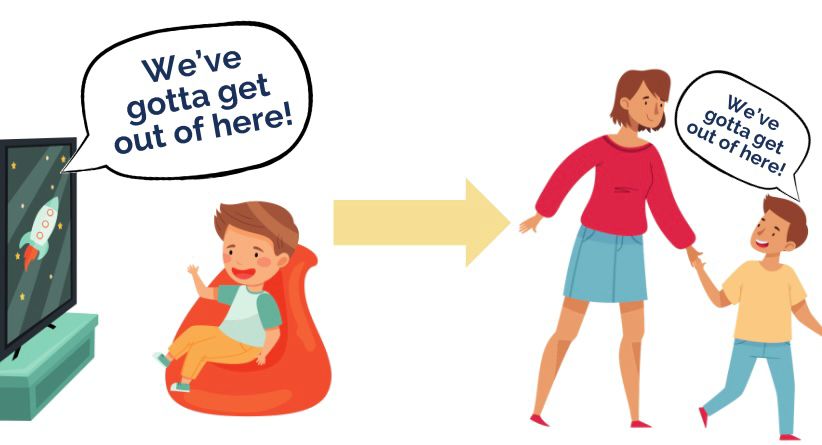
They may imitate entire sentences, song lyrics, or phrases from cartoons with the exact intonation they originally heard. For them, the musical quality of language carries meaning and helps them understand, remember, and use communication. This strong attention to intonation is often an early sign of gestalt language learning, where language is acquired through meaningful, emotionally connected experiences
Many parents notice that their child speaks with unusual patterns of pitch, rhythm, or melody. Some children may repeat entire phrases from cartoons. This is often seen in children who are Gestalt Language Processors (GLPs).
What Is a Gestalt Language Processor?
A Gestalt language processor learns language differently from an analytic language processor. Analytic language processors learn single words first and then combine them into phrases and sentences. Gestalt language processors learn language in larger chunks or “gestalts” (whole phrases, scripts, or sentences) before breaking them down into smaller meaningful parts.
For example, instead of learning the word “help” first, a GLP might learn and use the entire phrase:
“Can you help me, please?”
as one memorized unit.
What Does “Intonation Baby” Mean?
The term “intonation baby” is often used informally to describe a child who is highly tuned into the melody, rhythm, stress patterns, and emotional tone of speech.
These children may:
* Pay more attention to how words sound than to the individual words themselves.
* Mimic the exact tone and rhythm of phrases they hear.
* Repeat lines from songs, videos, or conversations with identical intonation.
* Show strong interest in musical speech and expressive voices.
For many GLPs, intonation is an important part of how language is stored and learned.
Why Is Intonation Important for Gestalt Language Processors?
Gestalt language processors often acquire language as complete units that include the following:
* Words
* Rhythm
* Melody
* Emotional meaning
* Context
The intonation pattern helps the child remember and understand the phrase as a whole.
For example, a child may say:
“Let’s gooo!”
with the same excitement and melody they heard in a favorite show. The intonation carries meaning and helps them communicate their emotions and intentions.
Signs Your Child May Be a Gestalt Language Processor
✓ Frequent use of scripts from TV shows, movies, or songs
✓ Delayed but meaningful language development
✓ Strong imitation of intonation and rhythm
✓ Use of long phrases before using many individual words
✓ Repetition of familiar expressions in different situations
✓ Enjoyment of music, singing, and repetitive language
How Speech Therapists Support GLPs
Speech therapists who understand Gestalt Language Processing focus on:
* Following the child’s interests
* Modelling natural language
* Supporting language development through meaningful interactions
* Helping children gradually break down gestalts into flexible language
Therapy is not about stopping scripts or echolalia. Instead, it focuses on understanding the communication behind them and helping the child move toward self-generated language.
Tips for Parents
1. Listen to the meaning behind the script.
2. Respond to your child’s message rather than correcting the phrase.
3. Use natural, expressive language.
4. Sing songs and engage in playful interactions.
5. Seek assessment from a speech-language therapist familiar with Gestalt language processing.
For many gestalt language processors, intonation is not just a feature of speech; it is part of how language is learned, stored, and understood. When we recognize the importance of melody, rhythm, and emotional expression in communication, we can better support children on their language learning journey.
Back to Blogs