Building Confidence in Classroom: The Value of Group Learning
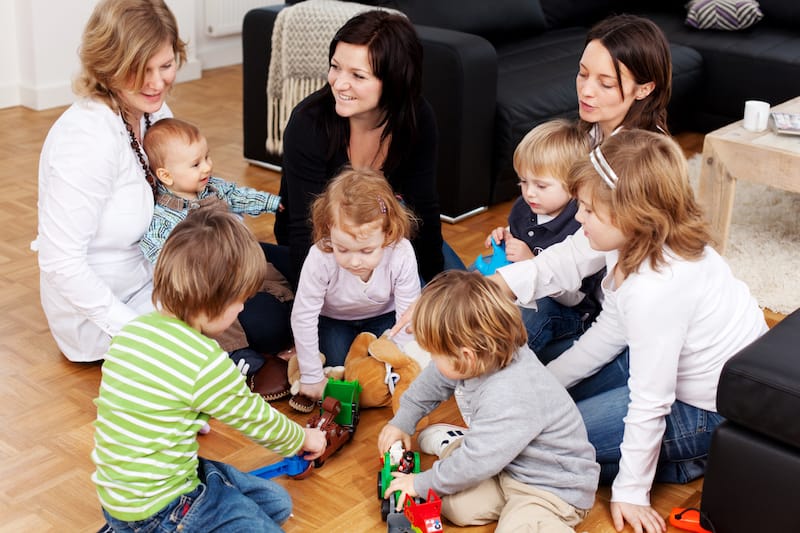
Group teaching plays an important role in the development of children with special educational needs. The classroom becomes more than just a place for academics—it becomes a space where children learn to interact, communicate, and grow with their peers. Learning in a group helps them feel included, builds confidence, and supports their understanding of classroom routines and shared learning experiences. With the guidance of a special educator, group teaching creates a supportive environment that encourages both academic growth and social development.
Group Learning
Group learning refers to teaching children in a classroom setting alongside their peers. This approach helps children develop social skills, improve communication, and learn important classroom behaviours such as following instructions and participating in activities. By observing and learning from others, children become more confident, attentive, and engaged. Group learning promotes inclusion and helps children feel a sense of belonging within the classroom community.
Importance of Group Teaching (Classroom Teaching) for a Special Needs Child
Group teaching refers to teaching SEN children in a classroom setting with peers (with or without disabilities). This is strongly supported by inclusive education principles recommended by organizations like UNESCO and the Council for Exceptional Children(CEC).
1. Improves Social Skills
Children learn to:
- Take turns
- Share materials
- Follow group instructions
- Communicate with peers
- Develop friendships
Example: A child with ASD learns to wait for their turn during a classroom activity.
2. Enhances Communication Skills
Group settings encourage:
- Listening to others
- Responding appropriately
- Understanding classroom language
- Developing expressive and receptive language
Children learn functional communication naturally.
3. Promotes Peer Learning (Peer Modeling)
Special needs children learn by observing peers:
- Academic skills
- Behaviour
- Classroom routines
Example: A child with ADHD learns how to sit and complete tasks by observing classmates.
4. Builds Independence
Children learn to:
- Follow classroom routines
- Complete tasks with less adult support
- Become independent learners
This prepares them for real-life environments.
5. Improves Behaviour Regulation
Group teaching helps children learn:
- Classroom rules
- Self-control
- Waiting and patience
- Appropriate classroom behaviour
6. Encourages Inclusion and Emotional Development
Children feel:
- Accepted
- Confident
- Less isolated
It improves emotional well-being and self-esteem
Role of Special Educator in Group Teaching
1. Curriculum Modification
Special educator:
- Simplifies lessons
- Adapts worksheets
- Uses visual supports
Example: Using picture-based worksheets instead of text-heavy worksheets.
2. Classroom Support
They help the child:
- Understand instructions
- Stay focused
- Complete tasks
3. Behaviour Management
They use:
- Positive reinforcement
- Token systems
- Behaviour strategies
4. Facilitate Peer Interaction
Special educator encourages:
- Group participation
- Peer communication
- Cooperative learning
5. Collaboration with Class Teacher
Special educator:
- Plans together with class teacher
- Modifies lesson plans
- Supports inclusive learning
Final Thought
Group teaching gives children with special educational needs the opportunity to learn, grow, and feel a sense of belonging. Through shared classroom experiences, they build confidence, develop social and academic skills, and become more active learners. With the right support and encouragement, the classroom becomes a place where every child feels included, valued, and capable of progress.
Back to Blogs