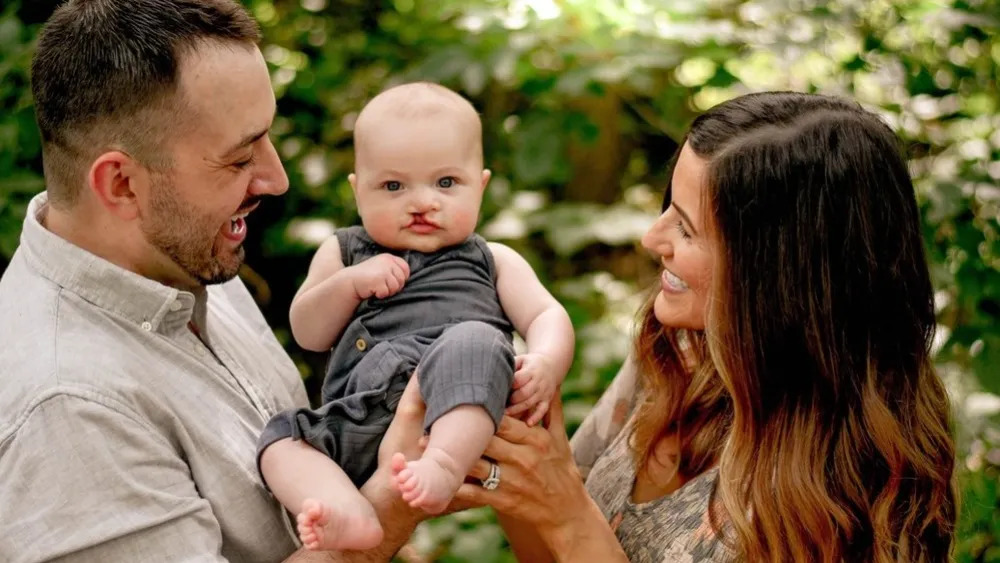
Cleft lip and cleft palate are the most common congenital craniofacial conditions worldwide. While much attention is often given to the visible and surgical aspects of cleft conditions, speech and communication difficulties are one of the most significant long-term challenges faced by individuals with cleft lip and/or palate.
This blog explores why speech difficulties occur, the types of speech problems associated with cleft conditions, assessment methods, and the critical role of speech therapy in improving communication outcomes. Understanding Cleft Lip and Cleft Palate A cleft lip occurs when the upper lip does not fully form during early pregnancy. A cleft palate happens when the roof of the mouth (hard palate, soft palate, or both) fails to close completely.
Cleft conditions may present as:
• Cleft lip only
• Cleft palate only
• Cleft lip and palate
Speech difficulties are most commonly associated with cleft palate, as the palate plays a crucial role in sound production and airflow control.
Why Do Speech Difficulties Occur in Cleft Lip and Palate?
Normal speech requires: • Proper separation of the oral and nasal cavities
• Adequate movement of the soft palate (velum)
• Correct placement and movement of the tongue, lips, and jaw
In individuals with cleft palate, these mechanisms may be disrupted due to:
• Structural differences
• Muscle weakness or misalignment
• Velopharyngeal dysfunction (VPD)
• Hearing issues caused by frequent ear infections
As a result, speech may sound unclear, nasal, or difficult to understand. Common Speech-Based Difficulties in Cleft Lip and Palate
1. Hypernasality
Hypernasality occurs when excessive air escapes through the nose during speech. This happens when the soft palate does not close effectively against the back wall of the throat.
Characteristics include:
• Nasal-sounding vowels
• Reduced speech clarity
• Difficulty being understood by listeners 2. Nasal Air Emission
This refers to audible air escaping through the nose, particularly during pressure sounds like:
• /p/, /b/, /t/, /d/, /s/, /k/
It may sound like:
• Snorting
• Whistling
• Nasal rustling 3. Articulation Errors
Children with cleft palate may develop compensatory articulation patterns, producing sounds incorrectly to make up for structural limitations.
Common errors include:
• Glottal stops (using the throat instead of the mouth)
• Pharyngeal fricatives
• Backing of sounds (e.g., /t/ produced as /k/)
These patterns often persist even after surgical repair unless treated through speech therapy. 4. Weak Pressure Consonants
Because air escapes through the nose, children may struggle to build adequate oral air pressure for sounds such as:
• /p/, /b/, /s/, /sh/, /ch/
Speech may sound:
• Soft
• Mumbled
• Incomplete 5. Delayed Speech and Language Development
Some children with cleft lip and palate experience:
• Delayed first words
• Limited vocabulary
• Short sentence length
This delay is often linked to:
• Recurrent middle ear infections
• Temporary or permanent hearing loss
• Reduced speech exposure during early years 6. Voice Disorders
Voice quality may be affected, leading to:
• Hoarseness
• Vocal strain
• Fatigue
This can occur when children overuse their voice to compensate for poor speech intelligibility. The Role of Hearing in Speech Difficulties
Children with cleft palate are highly prone to otitis media with effusion (fluid in the middle ear) due to Eustachian tube dysfunction.
Even mild hearing loss can:
• Affect sound discrimination
• Impact speech sound learning
• Delay language development
Regular hearing evaluations are essential for accurate speech diagnosis and management. Speech Assessment in Cleft Lip and Palate
Speech-Language Pathologists (SLPs) assess:
• Resonance (oral vs nasal balance)
• Articulation patterns
• Nasal air emission
• Speech intelligibility
• Language skills
Assessment is ongoing and evolves as the child grows. Management and Treatment of Speech Difficulties
1. Surgical Intervention
Primary palate repair is usually done in infancy, but some individuals may require:
• Secondary palate surgery
• Pharyngeal flap surgery
• Sphincter pharyngoplasty
Surgery improves structure, but it does not automatically correct speech patterns. 2.Speech Therapy
Speech therapy is essential and irreplaceable in cleft care. Focus areas include:
• Correcting compensatory articulation errors
• Improving oral airflow
• Increasing speech intelligibility
• Developing age-appropriate language skills
Therapy is typically:
• Long-term
• Individualized
• Started early for best outcomes
3. Multidisciplinary Cleft Care Team
Optimal outcomes are achieved when care is provided by a team including:
• Plastic surgeons
• Speech-language pathologists
• Audiologists
• ENT specialists
• Psychologists
This team approach ensures both functional and emotional well-being. Emotional and Social Impact of Speech Difficulties
Speech difficulties can affect:
• Self-confidence
• Social participation
• Academic performance
Children may face:
• Frustration
• Teasing or bullying
• Reluctance to speak
Early intervention and supportive environments play a vital role in building confidence and communication skills. Conclusion
Speech-based difficulties in cleft lip and palate are complex but highly manageable with timely intervention. Understanding the nature of these challenges helps parents, educators, and professionals support individuals effectively.
With early diagnosis, appropriate surgery, consistent speech therapy, and a strong multidisciplinary team, individuals with cleft lip and palate can achieve clear, confident, and effective communication.