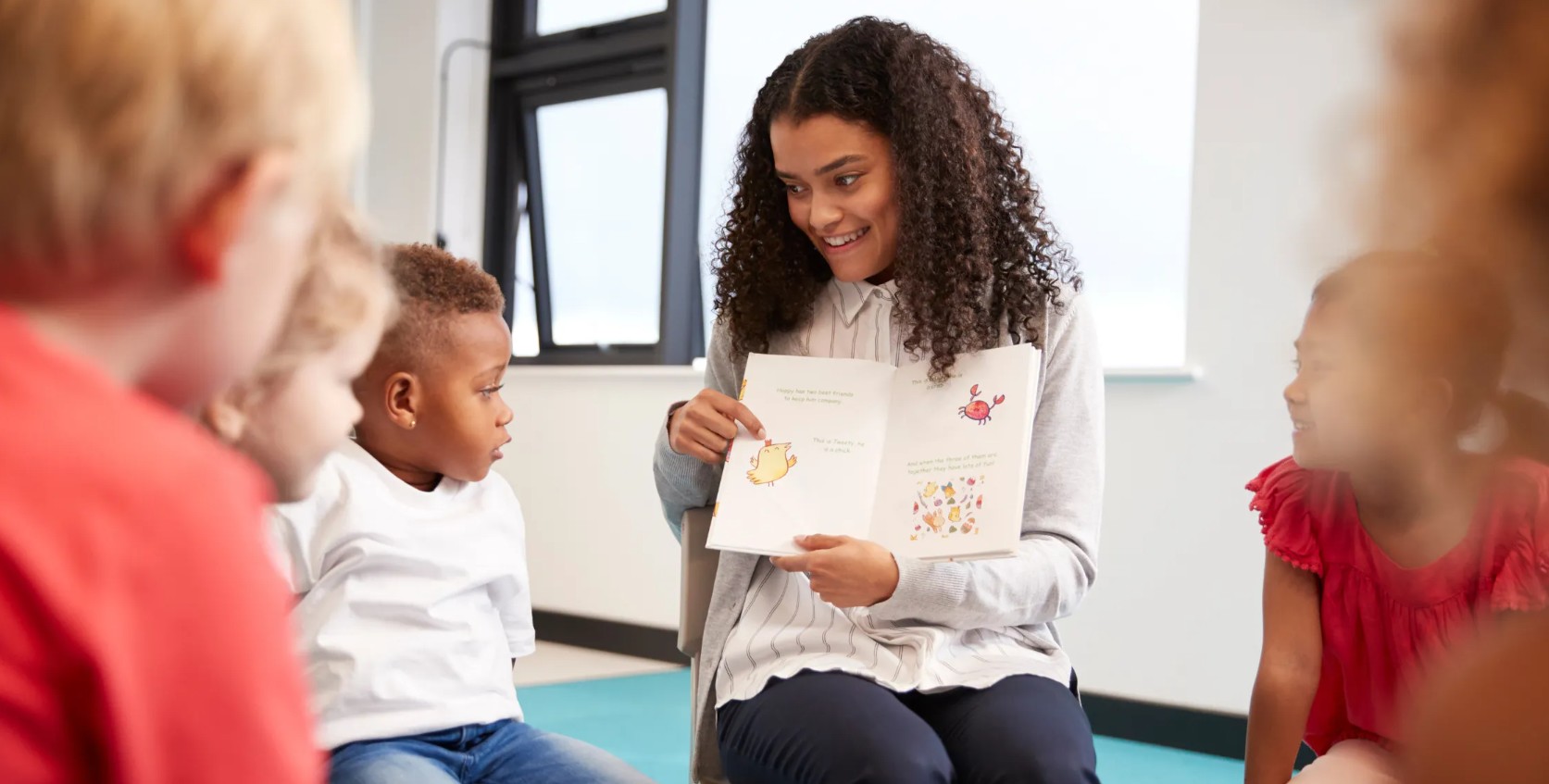
Many parents wait for independence to “appear” as children grow. They expect that with age, maturity will automatically follow. But independence is not something children grow into by chance.
Independence is something children are raised into.
It is carefully shaped through everyday interactions where parents choose to guide instead of replace, support instead of rescue, and teach instead of taking over. A child does not wake up one morning suddenly capable of managing tasks alone. Independence is built through hundreds of small moments where parents intentionally allow effort, thinking, and participation.
This is why prompting and prompt fading are not just therapy concepts — they are parenting tools that influence a child’s long-term development.
Parents Build Independence One Interaction at a Time
Every time a parent steps in too quickly, the child loses an opportunity to think.
Every time a parent waits, guides, and then steps back, the child gains a skill.
This pattern, repeated daily, shapes how children see themselves.
Children do not become independent because they are told to be independent. They become independent because adults consistently create opportunities for them to try, struggle safely, and succeed gradually.
Parents are not passive observers in this process. They are active builders of independence.
They do this by:
• Offering prompts instead of full solutions
• Giving time to attempt before helping
• Reducing assistance as skills improve
• Trusting effort more than speed
These choices communicate a powerful message:
“I believe you are capable of learning this.”
Over time, children begin to believe it too.
Why Gradual Independence Protects Confidence
When independence is rushed, children feel pressure.
When independence is delayed, children feel incapable.
Gradual prompting and fading create a balanced path where children experience challenge without fear and success without dependency. They learn that mistakes are part of learning, not a reason to stop trying.
This protects something more important than task completion — it protects a child’s confidence.
A confident child is more willing to attempt new skills, solve problems, and regulate emotions. These qualities are not taught in a single lesson. They are built through repeated guided experiences where parents act as patient coaches rather than permanent helpers.
The Parent’s Role Is to Prepare, Not Replace
It is natural to want to make life easier for a child. Doing things for them is faster and often feels caring. But parenting is not measured by how much we do for our children. It is measured by how well we prepare them to function without us.
Prompting is preparation.
Prompt fading is trust.
Each time parents step back at the right moment, they are telling the child:
“You are ready to carry this yourself.”
That moment — small as it may seem — is where independence grows.
A Final Thought for Parents
Independence does not arrive suddenly in adolescence or adulthood.
It is planted in childhood, watered daily, and grown with intention.
The goal is not to remove support, but to use support wisely. When parents guide, fade, and trust the process, they are not withdrawing love — they are strengthening their child’s ability to stand confidently in the world.
Independence is built slowly.
And parents are the ones who build it.