Screen Time and Speech Delay: The Connection Every Parent Should Understand
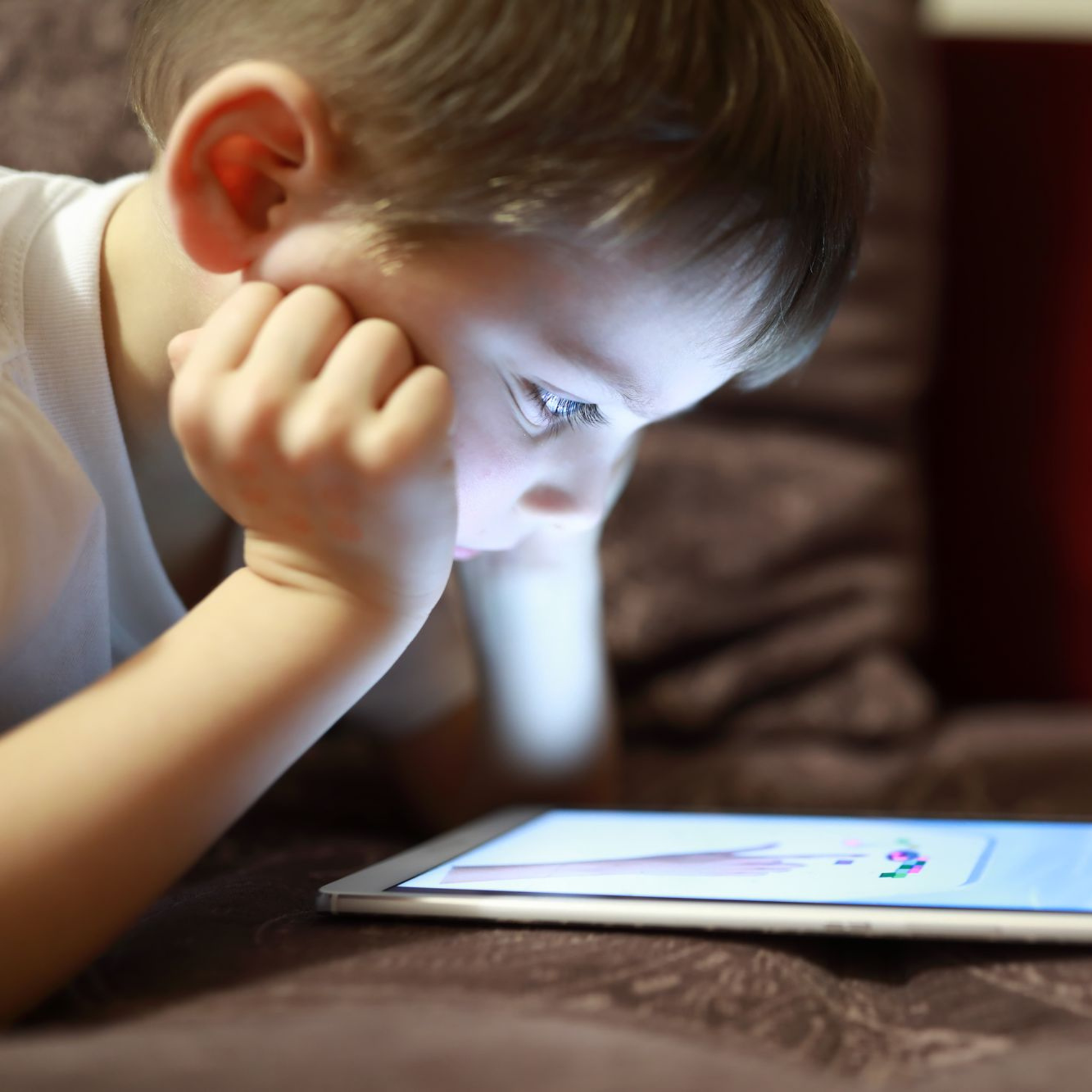
In today’s digital world, screens are everywhere. Smartphones, tablets, televisions, and laptops have become part of children’s daily routines. While technology can be educational when used appropriately, excessive screen time, especially during the early years, can have a significant impact on a child’s speech, language, and social communication development.
Language develops through real-life interactions. Children learn to communicate by listening to people, watching facial expressions, taking turns in conversations, asking questions, and responding to others. These experiences build the foundation for speech, vocabulary, understanding, and social skills. A screen, however, cannot replace the rich learning that happens during face-to-face interactions.
Many children who spend long hours in front of screens have fewer opportunities to engage in meaningful conversations with parents, siblings, and peers. As a result, they may have a limited vocabulary, delayed expressive language, poor attention to spoken language, difficulty following instructions, and reduced eye contact. Some children also become more comfortable interacting with screens than with people, making it harder to develop essential social communication skills.
From a speech therapist’s perspective, we are increasingly seeing children who can identify letters, numbers, or colours on a screen but struggle to request basic needs, answer simple questions, or engage in a back-and-forth conversation. This highlights an important point: academic knowledge gained from screens is not the same as communication skills learned through human interaction. For autistic children or children with speech and language delays, excessive screen time may further reduce opportunities to practice communication. While some educational apps can support learning when used alongside an adult, they should never replace interactive play, therapy activities, or family conversations. Communication grows through shared experiences, not passive screen viewing.
Current recommendations encourage families to focus not only on the amount of screen time but also on its quality. Watching age-appropriate content together, discussing what is happening on the screen, asking questions, and relating it to real-life experiences can make screen use more interactive and language-rich. The most valuable learning still comes from reading books together, singing songs, storytelling, pretend play, outdoor activities, and everyday conversations during meals, shopping, or bedtime routines.
If you notice that your child has limited speech, rarely responds to their name, has difficulty following instructions, prefers screens over interacting with others, or struggles to communicate their needs, it may be helpful to seek an evaluation from a speech-language therapist. Early intervention can make a meaningful difference in a child’s communication development.
What Parents Can Do
* Set consistent daily limits on recreational screen time.
* Prioritize face-to-face conversations and family interactions.
* Read books together every day.
* Encourage pretend play, outdoor play, and interactive games.
* Talk about everyday activities and ask open-ended questions.
* Model language instead of relying on screens for entertainment.
* Use screens as a shared activity rather than a babysitter
Screens are not the enemy, but they should never replace human connection. Every conversation, shared smile, story, and playful interaction helps build your child’s communication skills. The more opportunities children have to interact with people, the stronger their speech, language, and social development will become. “Less screen time. More talk time. Every conversation helps your child find their voice.”
Back to Blogs