There Is So Much Learning in Painting: A Behavioral Perspective
There Is So Much Learning in Painting: A Behavioral Perspective
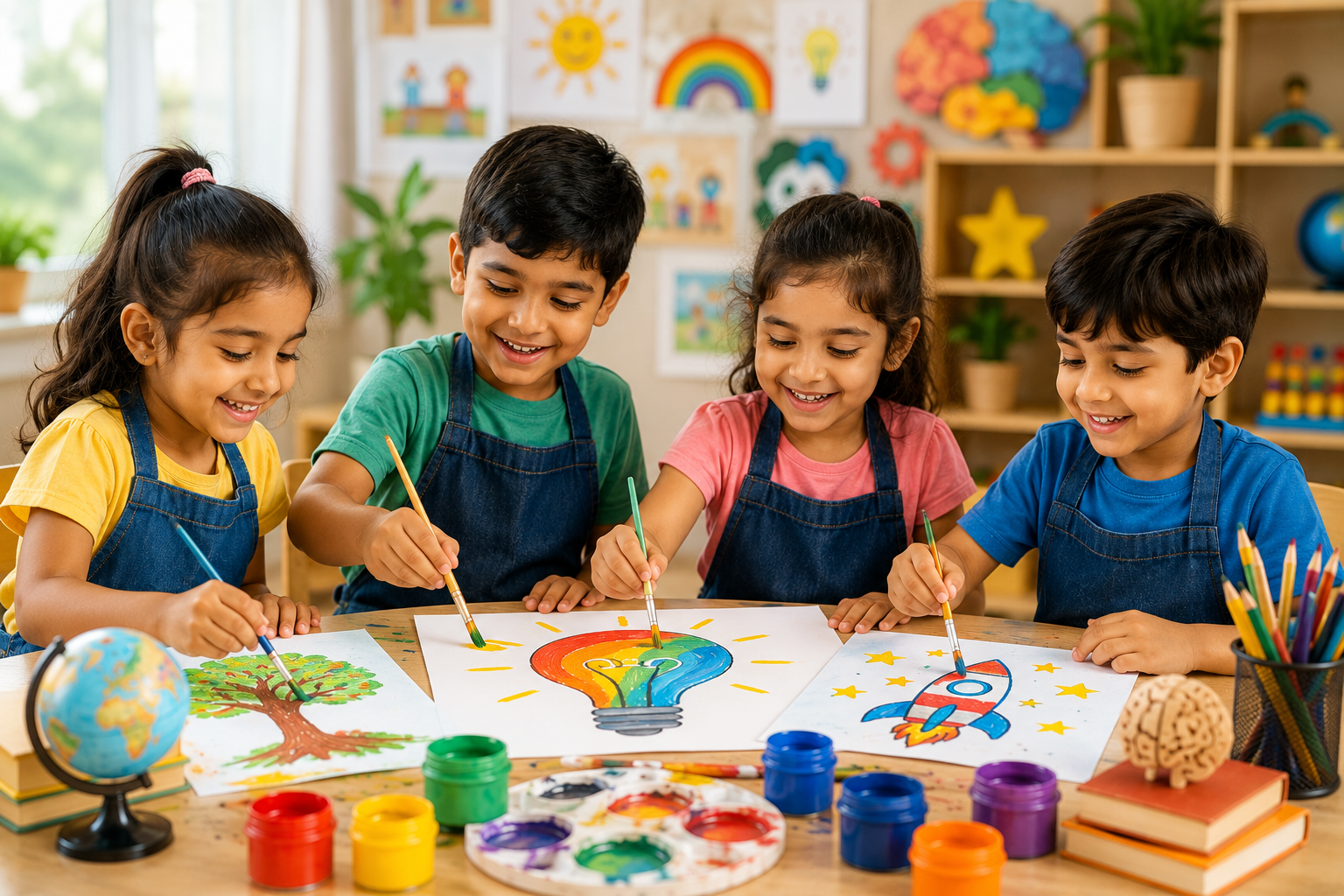
Painting is often seen as a fun and creative activity for children. While the colorful artwork may be the most visible outcome, the real value of painting goes far beyond what appears on paper. From a behavioral perspective, painting provides countless opportunities for learning, skill development, and positive behavior growth.
At our rehabilitation and therapy center, painting is not simply an art activity—it is a powerful therapeutic tool that supports children’s overall development.
1. Building Fine Motor Skills Through Practice
Every time a child holds a paintbrush, dips it into paint, and makes marks on paper, they are strengthening important hand and finger muscles. These repeated movements help improve grip strength, hand-eye coordination, and motor control.
In behavior therapy, repeated practice paired with encouragement and reinforcement increases the likelihood that these skills will improve over time. Painting naturally provides many opportunities for such repetition in an enjoyable way.
2. Increasing Attention and Task Engagement
Many children struggle to remain seated and engaged in a task for extended periods. Painting activities can help increase attention span by providing a highly motivating and visually rewarding experience.
When children are praised for staying engaged, following instructions, or completing parts of the activity, these behaviors are reinforced and become more likely to occur in future learning situations.
3. Teaching Following Instructions
Painting activities often involve simple directions such as:
* “Choose a color.”
* “Paint inside the circle.”
* “Wash the brush before changing colors.”
* “Put the brush back when finished.”
Following these instructions helps children develop listening skills, compliance, and the ability to respond appropriately to adult guidance. These are important foundational behaviors that support learning across home, school, and therapy environments.
4. Encouraging Communication
Painting creates natural opportunities for communication. Children may request colors, ask for help, comment on their artwork, or share their ideas with others.
Behavioral therapists often use painting sessions to encourage functional communication skills such as:
* Requesting
* Commenting
* Answering questions
* Expressing preferences
* Sharing experiences
The more successful communication experiences a child has, the more likely they are to use communication as a positive alternative to challenging behaviors.
5. Promoting Choice-Making and Independence
Painting allows children to make meaningful choices:
* Which color should I use?
* What should I paint?
* Which brush do I want?
Making choices helps children develop independence and decision-making skills. In Applied Behavior Analysis (ABA), providing opportunities for choice can increase motivation, participation, and cooperation.
6. Developing Creativity and Flexible Thinking
There is no single “right way” to create art. Children learn that different ideas, colors, and designs are acceptable.
This flexibility can be especially beneficial for children who struggle with rigid thinking patterns. Painting encourages exploration, problem-solving, and adaptation when things do not go exactly as planned.
7. Supporting Emotional Expression
Some children find it difficult to express feelings through words. Painting provides an alternative way to communicate emotions, experiences, and interests.
When therapists acknowledge and respond positively to a child’s artistic expression, children learn that sharing their thoughts and feelings is safe and valuable.
8. Building Confidence Through Success
Completing a painting gives children a visible product of their effort. This sense of accomplishment can increase self-confidence and willingness to participate in future activities.
From a behavioral perspective, successful experiences act as natural reinforcement. When children feel proud of what they have achieved, they become more motivated to try new tasks and develop new skills.
9. Creating Opportunities for Social Learning
Group painting activities encourage children to:
* Share materials
* Wait for their turn
* Observe peers
* Cooperate with others
* Give and receive compliments
These social interactions help children develop important skills that can generalize to classroom, playground, and community settings.
More Than Just Art
Painting is much more than putting colors on paper. It is an engaging activity that promotes communication, attention, fine motor development, social interaction, emotional expression, and independence. From a behavioral perspective, every brushstroke creates an opportunity for learning. Through positive reinforcement, structured guidance, and meaningful engagement, painting becomes a powerful tool for helping children grow and thrive
Back to Blogs