Visual Learning Strategies That Support Academic Progres
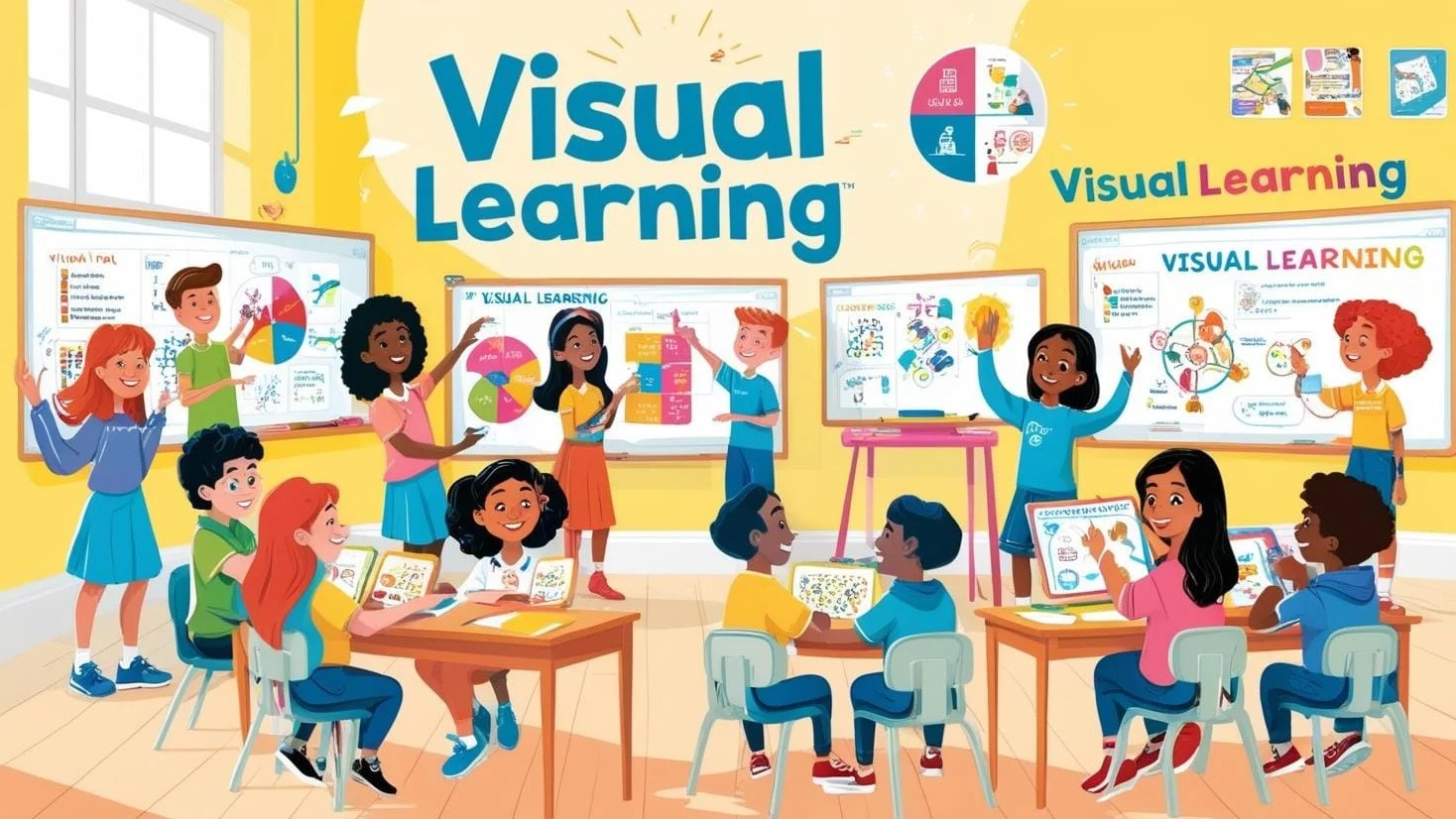
Every child learns in a unique way, and for many students—especially visual learners—seeing information can make all the difference. Visual learning supports attention, understanding, memory, and confidence. Whether a child is in early intervention, kindergarten, or primary grades, visual strategies can turn complex ideas into something simple, meaningful, and engaging.
Below are powerful visual learning strategies that help children make steady academic progress across reading, writing, math, and daily classroom routines.
1. Use Visual Schedules to Build Independence
Visual schedules show daily activities through pictures, icons, or simple words. They help children:
-
♦ Understand “what comes next”
-
♦ Reduce anxiety during transitions
-
♦ Stay organized and on-task
This strategy is especially helpful for young learners, children with autism, and those who need a clear routine to feel secure.
2. Anchor Charts for Classroom Concepts
Anchor charts act as a visual “memory wall” for concepts already taught.
Examples include:
-
♦ Steps for solving a math problem
-
♦ Phonics sound reminders
-
♦ Classroom rules
♦ Children refer back to these charts whenever they need support, making learning more independent.
3. Use Graphic Organizers to Improve Thinking Skills
Graphic organizers help children plan, categorize, and connect ideas.
Common types:
-
♦ Venn diagrams
-
♦ Story sequencing charts
-
♦ Mind maps
-
♦ Cause-and-effect charts
These tools boost comprehension in reading and support clearer writing.
4. Color Coding for Better Organization
Colors create instant meaning and help children sort information quickly.
Use color coding for:
-
♦ Subject notebooks
-
♦ Highlighting key words in text
-
♦ Matching letters, numbers, or shapes
-
♦ Grouping math operations (e.g., blue for addition, red for subtraction)
Color coding reduces confusion and gives learners a predictable system to follow.
5. Visual Cues for Behavior and Classroom Rules
Simple signals such as:
-
♦ Thumbs up cards
-
♦ “Stop–Wait–Go” visuals
-
♦ Reward charts
make expectations clear and reduce the need for repeated verbal instructions.
Children learn faster when they can see the behavior that is expected.
6. Picture-Based Instructions
Instead of giving long verbal explanations, use:
-
♦ Step-by-step picture cards
-
♦ Illustrated worksheets
-
♦ Visual task sequences (e.g., “Wash hands” with four pictures)
These are especially effective for children with language delays or those who struggle to remember multiple steps.
7. Visual Phonics and Reading Tools
Visual supports make literacy easier by connecting sounds to symbols.
Examples:
-
♦ Jolly Phonics actions and images
-
♦ Alphabet picture cards
-
♦ Elkonin (sound) boxes for segmenting
-
♦ Word-family color strips
These tools help children decode, blend, and remember letter–sound relationships more accurately.
8. Visual Math Strategies
Math becomes easier when abstract numbers turn into something concrete.
Useful tools include:
-
♦ Ten frames
-
♦ Number lines
-
♦ Dot patterns
-
♦ Visual counting aids
-
♦ Shape matching cards
Visual math helps students understand concepts rather than just memorizing steps.
9. Use Real Images, Not Just Symbols
Whenever possible, show real photos—especially for early learners or children who struggle with symbolic understanding.
Example: Instead of clipart of a “banana,” use a real picture.
Real visuals support meaning and recall.
10. Digital Visual Supports
Technology adds another layer of support:
-
♦ Educational videos
-
♦ Interactive flashcards
-
♦ Visual timer apps
-
♦ Digital story sequencing tools
These help keep children motivated and make learning more engaging.
Why Visual Learning Works
Visual strategies are powerful because they:
-
♦ Make information concrete and easy to understand
-
♦ Reduce language load
-
♦ Improve memory and attention
-
♦ Increase independence
-
♦ Support children with learning difficulties such as dyslexia, autism, ADHD, and developmental delays